
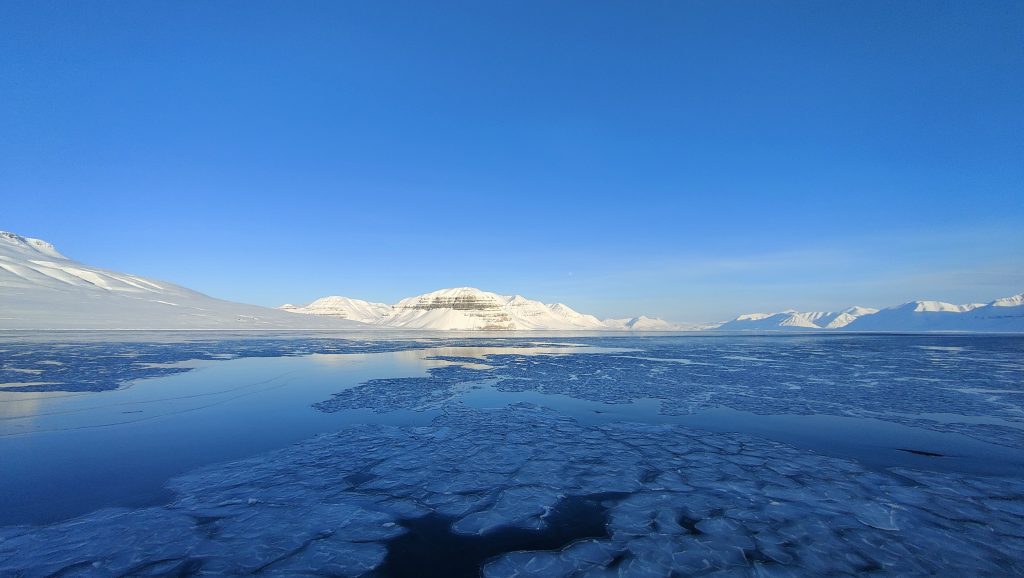
The first phase of the winter expedition to Svalbard has been successfully completed; Imbalplast has also contributed to sponsor it, together with WWF Italy.
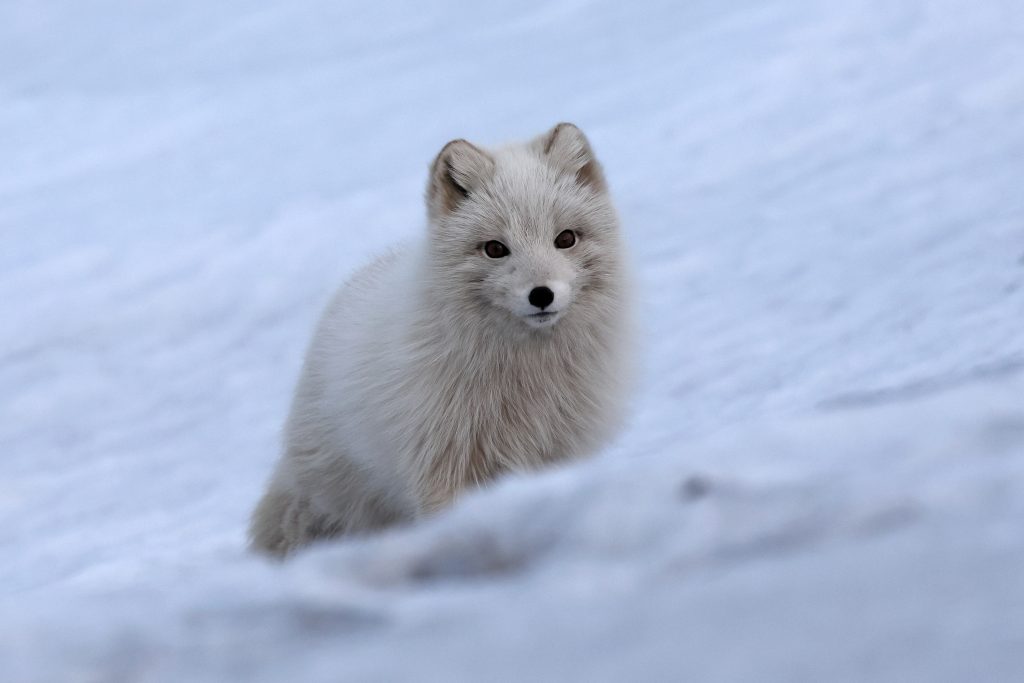
In the coldest period of the year, with temperatures reaching -45°C, natural photographer Alessandro Seletti has documented the effect of climate change on the ices and the fauna of this uncontaminated place, travelling on a snowmobile in the hinterland and on an icebreaker through the fjords.
This adventure challenged Alessandro’s physical strength and resistance, but that was compensated by his great passion for the divulgation of the main environmental phenomena.
The second phase of the expedition – which will be recounted in September – is going to take place in summer and it will offer a full picture on the state of the art. Recent studies have demonstrated that the Arctic is heating twice as fast than the rest of the Planet.
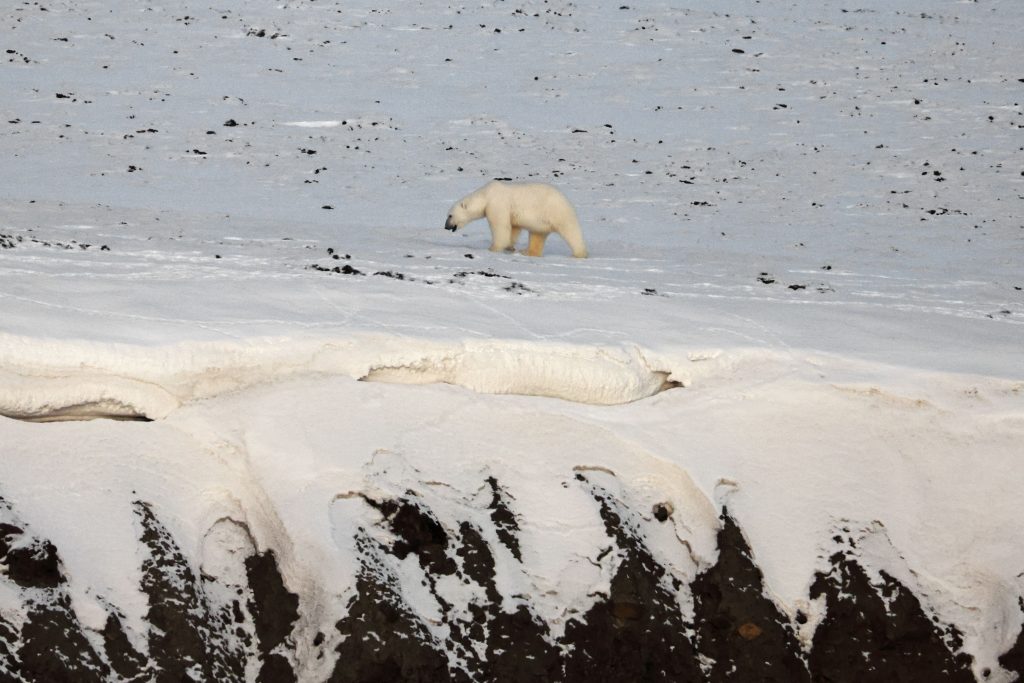
The survival of the fauna – notably the polar bear and the seal – is already widely compromised.
Alessandro gathered the testimonies of some of the inhabitants of Longyearbyen, who confirmed that, in the last decade, the glaciers have suffered a considerable reduction and that, every year, the sea ice is present for a more and more limited span of time.
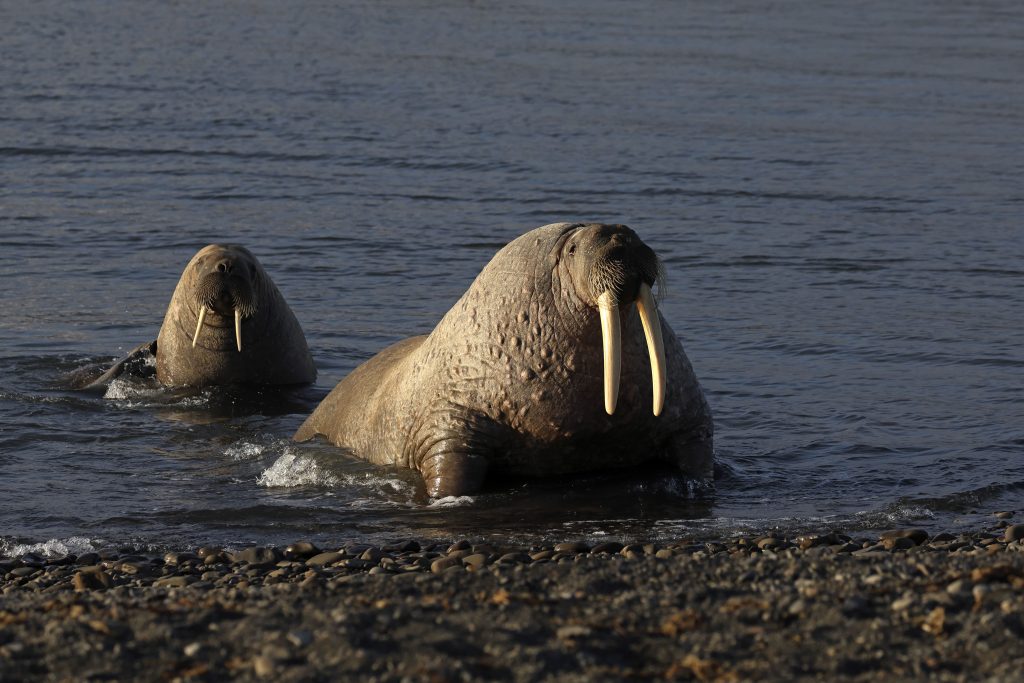
We have to keep in mind that those glaciers play a fundamental role in the life of seals. Without the sea ice, polar bears cannot hunt their favourite preys and they are forced to wander in the mainland.
In the last years, people have observed bears hunting reindeers and eating seabirds’ eggs, thus leading to consequences still under study process.
We are inclined to think that what is happening in a faraway and isolated land should not have consequences on the rest of the Planet. Actually, climate change is not only endangering the fauna, but also the survival of human beings. Svalbard islands host the “Global Seed Vault”: it is the storage of thousands of seeds from all over the world; it was instituted in 2008 to preserve a wide variety of crops for cultivation. It is a sort of Noah’s Ark of plants; it contains the copies of seeds guarded in 89 genetic banks all around the world. (These banks could be vulnerable because of possible natural disasters, wars of structures’ malfunctions.) This is a real backup and it has been realised to give us a safer future.
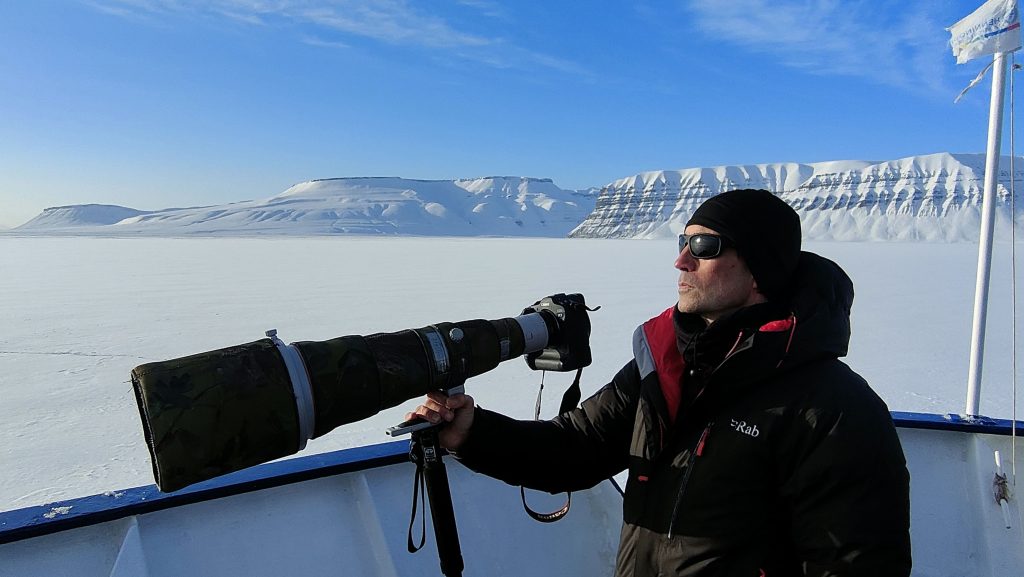
Short biography of Alessandro Seletti: from Montecchio in Emilia region, he has always loved wild animals and uncontaminated landscapes of Northern Europe; he is also author of photographic books, exhibitions, and videos of great emotional impact. Since 2000, he has created a large net of cooperation with magazines, museums, and organisations, such as National Geographic. Some of his photos also reached the final stage of one of the most prestigious photo contest: the Wildlife Photographer of the Year, held in London.By the end of this year, the expedition to Svalbard will be extensively documented in a book. https://www.instagram.com/alessandroseletti/.